NextPay Guides
Invoicing & Collections in the Philippines
Getting paid is where Philippine businesses lose the most time, not because customers refuse to pay but because invoices, follow-ups, and payment tracking usually live in three different places. This guide walks the receivables workflow for SMBs and solo professionals: issuing a BIR-compliant invoice, collecting from slow payers, and knowing when a payment link is enough versus when you need software. For side-by-side picks, see NextCollect vs PayMongo and the best ways to collect payments in the Philippines.
Invoicing Basics
Invoice, receipt, or charge invoice, and the BIR rules for each.

Invoice Types in the Philippines Explained
A practical guide to common Philippine invoice types after EOPT: sales, cash, charge, credit, billing, service, commercial, and miscellaneous invoices.
Start here-
Invoice vs Receipt vs Bill: Philippine Business Guide
Understand the difference between invoices, receipts, and bills in the Philippines under current BIR invoicing rules.
-
Charge Invoice Explained: Meaning, Sample, and BIR Rules
Understand what a charge invoice means in the Philippines, when to use it, what fields matter, and how it fits current BIR invoice rules.
Getting Paid Faster
Collect from slow payers without the awkward chasing.
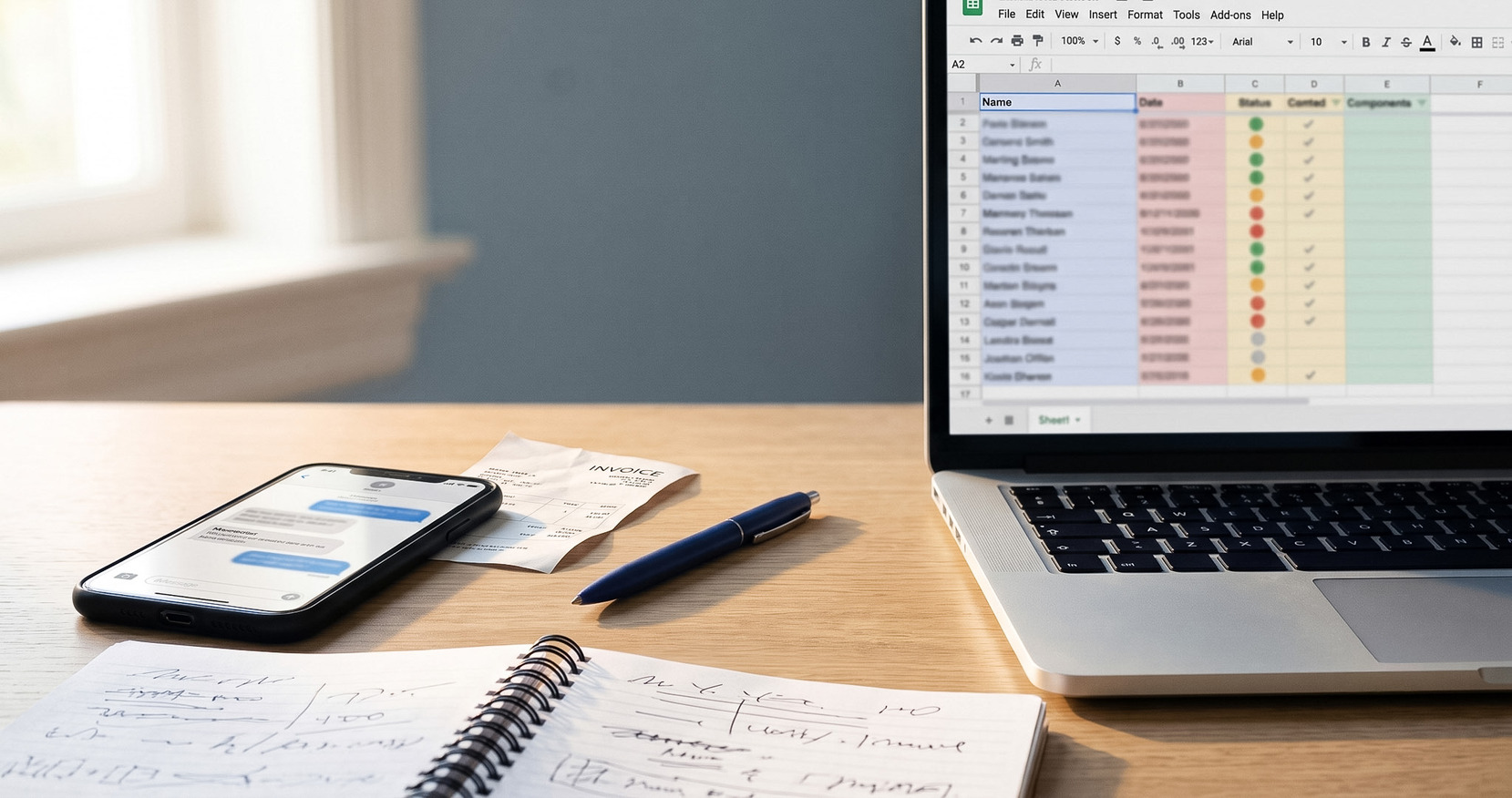
How to Collect Payment From Clients in the Philippines (When They Won't Pay)
Use a calmer six-step process to collect from clients in the Philippines, with tools for payment links, reminders, and tracking.
Start here-
How to Create a GCash Payment Link (and Actually Know Who Paid)
Create a payment link your customers pay with GCash or any QR Ph app, with automatic confirmation, reminders, and a clear view of who still owes you.
-
Why Invoicing Is Slow in the Philippines
Learn why invoice workflows slow down Philippine businesses, from missing billing details and manual reminders to payment matching and receivables reconciliation.
Choosing Your Tools
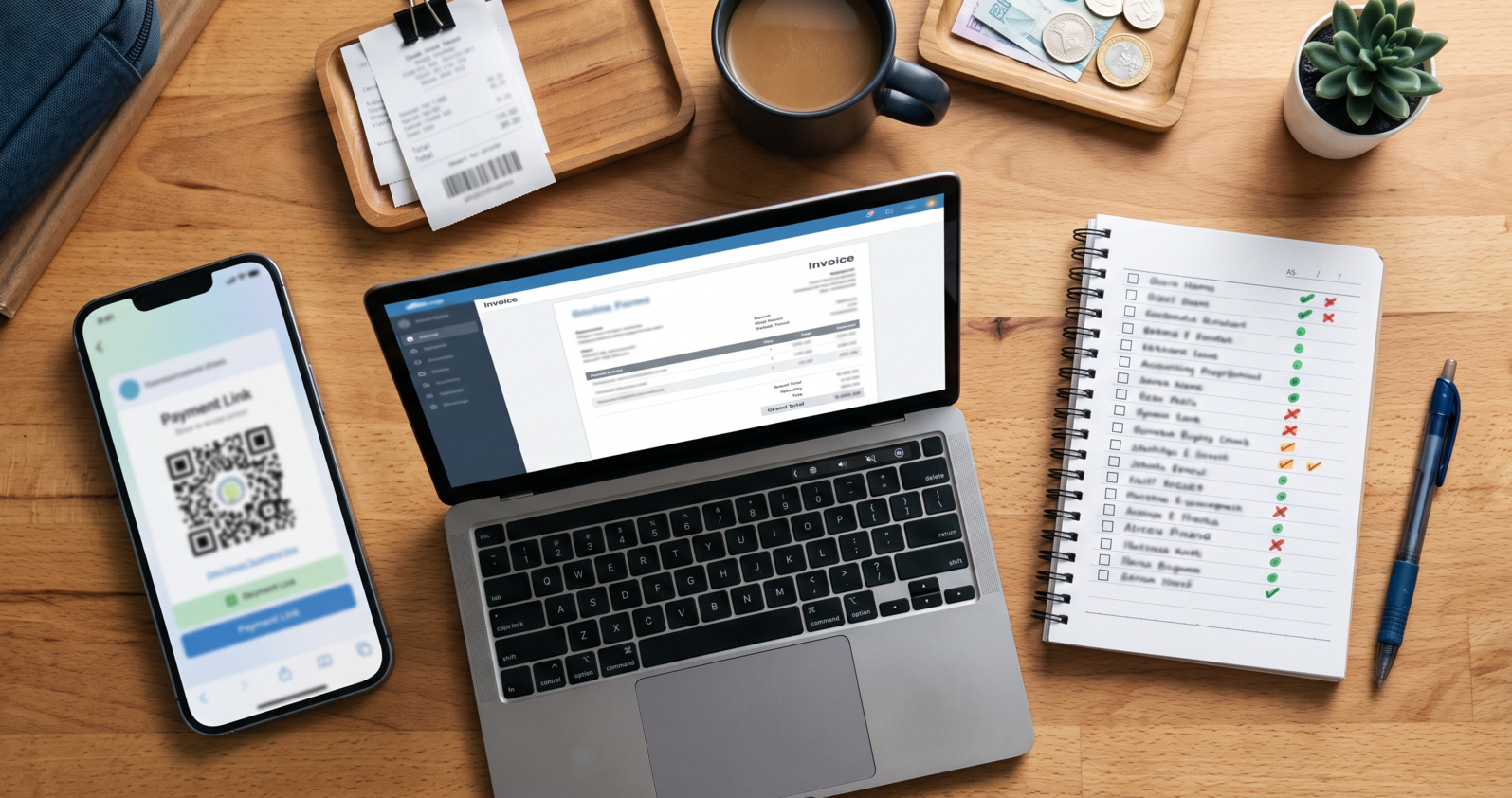
Payment link, invoicing, or collections: which one fits.
Frequently Asked Questions
What's the Difference Between an Invoice, a Receipt, and a Bill in the Philippines?
An invoice requests payment for goods or services, a receipt confirms payment was received, and a bill is the amount a customer owes. For BIR compliance, the document type and its details matter. Start with the Invoicing Basics guides below.
How Do I Collect Payment From a Client Who Won't Pay?
Unpaid balances are usually a tracking problem, not a payment problem. Send a clear invoice with a due date, follow up on a schedule, and give the client an easy way to pay: a payment link, or a collections tool that reminds them automatically so you don't have to chase.
Do I Need Invoicing Software, or is a Payment Link Enough?
A payment link is enough when you just need to get paid for a one-off. You need invoicing or collections software once you're tracking who owes what across many clients, sending reminders, and reconciling payments. That's the point where a spreadsheet and a GCash link stop scaling.
Related Topics
Built for Philippine businesses
How NextPay Helps
The infrastructure behind this topic. Explore the products or talk to us about your setup.
NextInvoice
Issue invoices, track payment status, and keep collections visible in one place.
NextCollect
Turn unpaid balances into tracked bills with payment links and automatic reminders.